Every day, clinics and hospitals treat patients who cannot describe their symptoms in the local language. A tourist with chest pain, a newly arrived refugee family with a sick child, an elderly migrant who never learned the language well, or a business traveller who needs urgent care: in each case, clear communication is the foundation of safe treatment. For decades, the answer was often a family member or a bilingual staff member pulled away from other duties. Today, remote interpreting offers a faster and more professional alternative.
This article explains how remote medical interpreting works, where it fits best and what healthcare providers should consider when introducing it.
Why professional interpreters matter in healthcare
Medical interpreting is not simply a matter of speaking two languages. Interpreters must understand medical terminology, convey symptoms and instructions precisely, respect confidentiality and remain neutral in emotionally difficult conversations. Research and clinical experience both show that relying on untrained interpreters, particularly children or relatives, increases the risk of errors in diagnosis, medication and consent. Family members may omit embarrassing details, soften bad news or add their own opinions without realising the consequences.
Video, phone and on-site options
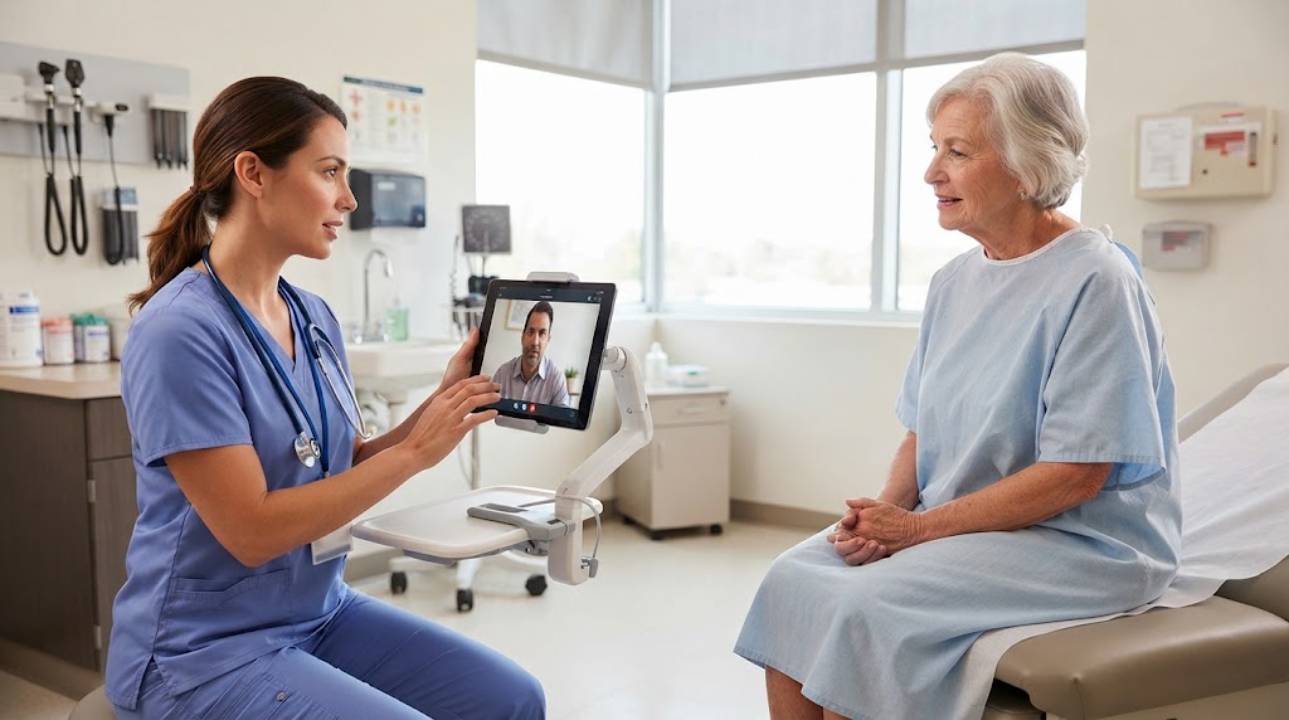
Remote interpreting comes in two main forms. Video remote interpreting connects the clinician and patient with an interpreter through a tablet, laptop or dedicated screen. The interpreter can see facial expressions and gestures, which helps with nuance and with sign language. Over-the-phone interpreting is simpler and available almost instantly, making it well suited to short conversations, triage and follow-up calls. On-site interpreting remains the best choice for complex consultations, mental health sessions, end-of-life discussions and situations where a patient is very distressed.
Most healthcare providers use a combination. Remote services cover the unpredictable, everyday need across many languages, while on-site interpreters are booked in advance for planned, sensitive appointments.
Setting up remote interpreting in a clinic
A successful rollout depends on practical details. Staff need to know how to request an interpreter in seconds, which device to use and where it is kept. Examination rooms should have a stable internet connection and a quiet environment. Tablets on mobile stands allow the screen to be positioned so that the patient can see the interpreter while the clinician examines them. Short training sessions help staff speak directly to the patient, pause regularly and avoid side conversations that the interpreter cannot follow.
Written information is part of the picture
Interpreting covers spoken communication, but patients also receive written material: discharge summaries, medication instructions, consent forms, appointment letters and preparation guides for procedures. If these documents are only available in the local language, the benefits of a well interpreted consultation can be lost as soon as the patient leaves the room.
Healthcare providers that serve international patients often work with translation partners for this material. Hospitals treating patients from German-speaking countries, for example, may need German to English translation services for previous medical reports, allowing doctors to review a patient's history before treatment. Clinics in areas with large Russian-speaking communities benefit from Russian translation services for patient leaflets, consent forms and aftercare instructions, so that key information is understood at home as well as in the clinic.
Keeping translated content consistent
Larger healthcare organisations produce hundreds of patient-facing documents, often in ten or more languages. Updating them all whenever a procedure or guideline changes is a significant task. Many providers and their language partners now manage this content in a Cloud-based translation management system, which stores approved translations, tracks versions and ensures that the same medical term is rendered consistently across leaflets, forms and web pages. When a document changes, only the updated sentences need new translation, which saves time and reduces the risk of outdated information remaining in circulation.
Confidentiality and data protection
Medical conversations involve some of the most sensitive personal data there is. Remote interpreting providers must meet strict standards: secure encrypted connections, no recording without consent, interpreters bound by professional codes and confidentiality agreements, and compliance with data protection law. Healthcare providers should review these safeguards before signing a contract and make sure staff know how to use the service in line with their own privacy policies.
Measuring the benefits
Clinics that introduce professional remote interpreting often report shorter consultation delays, fewer repeat visits caused by misunderstandings and higher patient satisfaction. Staff appreciate not having to improvise with gestures or translation apps. Tracking usage by language also helps managers understand the communities they serve and plan on-site interpreting or translated materials accordingly.
Practical tips for clinicians
- Introduce yourself and the interpreter, and explain the process to the patient.
- Speak to the patient, not to the interpreter, and maintain eye contact.
- Use short sentences and pause to allow accurate interpretation.
- Avoid jargon where possible and check understanding with teach-back questions.
- Allow a little extra time for interpreted consultations.
Better care across languages
Language should never be the reason a patient receives less effective care. Remote interpreting, combined with well translated written information, gives healthcare providers a practical way to communicate clearly with every patient, whatever language they speak. With the right technology, trained staff and trusted language partners, clinics can make professional interpreting a routine part of safe, patient-centred care.